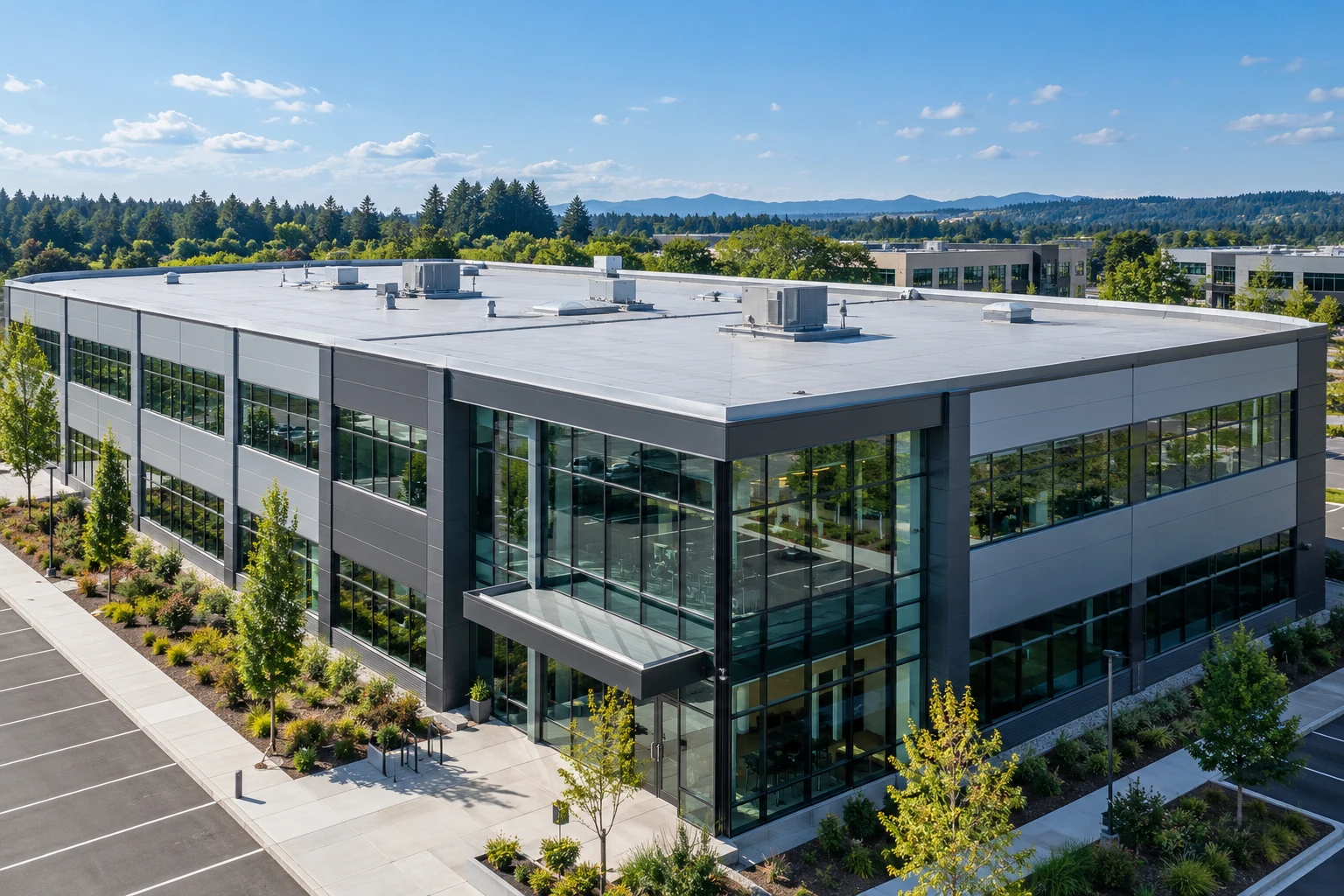
Understand The Roof Configuration
Metal roofing includes different panel profiles and attachment arrangements. Those differences affect how joints, penetrations and transitions are treated. A proposal should be based on the existing or planned roof configuration rather than a generic description of metal as one uniform system.
The roof's slope, supporting conditions and relationship to adjacent sections are relevant. At an existing building, prior alterations and repairs can also influence the scope. Identifying those conditions helps determine whether a localized intervention or broader project is appropriate.
Review Connections And Corrosion
Fasteners, panel laps and roof-to-wall transitions can require attention even when much of the panel surface remains usable. Corrosion may range from a surface condition to material loss that requires replacement. The assessment needs to distinguish those situations.
Coating can be considered for some qualifying metal roofs, but it does not restore a failed connection or replace perforated panels. The project discussion should separate restoration opportunities from components that cannot remain serviceable.
Coordinate Penetrations And Equipment
Pipes, vents and equipment supports interrupt the panel layout. Their flashing and movement requirements need suitable details. Changes made by other trades may affect those connections, so tell us about planned equipment work as well as existing roof concerns.
For industrial or flex properties, access and staging may need to fit active loading or production areas. A practical scope accounts for these conditions before expectations are set about project duration or building access.
Define The Work You Need
Describe whether the concern is a leak, panel deterioration, a larger replacement or a planned building change. Photos and records already available may help the discussion, but no one needs to access the roof solely to submit an inquiry. Inspection findings establish the roofing recommendation.